Some types of PH can respond to surgical and other procedures.
Pulmonary endarterectomy (normally shortened to PEA) is an operation to remove old blood clots from the pulmonary arteries in the lungs. Only a small proportion of people with pulmonary hypertension (PH) have blockages caused by blood clots. Some people with PH may have blockages that are not suitable for pulmonary endarterectomy.
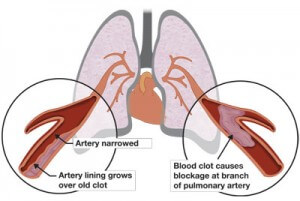
If your PH team think you may be suitable for pulmonary endarterectomy, you will need further tests. Some of these tests may be carried out at your local hospital or at your specialist centre. You may need to go to Papworth Hospital (near Cambridge). This is a centre that specialises in pulmonary endarterectomy, and is the only hospital where pulmonary endarterectomy is done in the UK.
For some people with PH, pulmonary endarterectomy may be a cure. This is because it can restore almost normal blood flow to the lungs.
Pulmonary endarterectomy is a major operation involving a ‘heart-lung bypass’ machine. The surgeon opens the pulmonary arteries and removes the artery lining to clear the obstructions. People with PH who are due to have a pulmonary endarterectomy will sometimes need to take PH drug therapy to prepare them for the operation.
All people who have had pulmonary endarterectomy surgery will need to take warfarin for the rest of their lives. This is to prevent the blood clots coming back.
Pulmonary endarterectomy is a high-risk operation. If pulmonary endarterectomy is successful it can lead to a substantial improvement in symptoms and life expectancy. About 96% of people survive the operation.
Many people are often returned to a normal life expectancy and quality of life following pulmonary endarterectomy. However, some people may have some residual PH that will still need life-long treatment with targeted therapy.

Transplant surgery is where an organ in your body is replaced with an organ from a donor. Transplant surgery for pulmonary hypertension (PH) can involve replacing the heart and lungs, or just the lungs. It is more common in children than in adults, but is rarely used these days. This is largely due to the availability of effective drugs for PH.
Transplant surgery is not suitable for everyone with PH. If your PH team think your quality of life and life expectancy will be improved by transplant surgery, you will be carefully assessed. Factors that are considered in this assessment include: age, life expectancy, other diseases that you may have, psychological state and lifestyle.
Transplant surgery is a high-risk operation. These risks can include surgical complications, organ rejection and infection. Once you have had a transplant you will be under the care of an expert team for the rest of your life.
Transplant surgery can improve quality of life and life expectancy in a small number of people with PH. Your PH team will talk you through the pros and cons of the operation.
In the video below, respiratory consultant Charlie Elliott and transplant expert Professor Paul Corris discuss the facts about transplant and pulmonary hypertension:
Atrial septostomy is a procedure where a small hole is made in the wall between the left and right atria of the heart. The hole can be made using a cardiac catheter (a thin flexible tube, which is inserted into the chambers or blood vessels of the heart).
Atrial septostomy reduces the pressure in the right side of the heart, allowing the heart to pump more efficiently. This improves blood flow to the lungs.
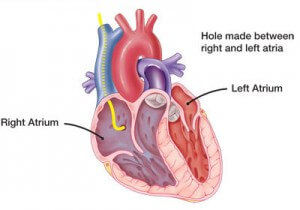
Some people with PH faint occasionally when there is a sudden increase in pressure in the lungs. Making a small hole in the septum (wall), between the right and left atria (atrial septostomy) can help fainting. The hole acts as a safety valve to let the right heart ‘decompress’ when the pressure increases suddenly. This reduces the chances of fainting.
Atrial septostomy can also be useful in people with advanced PH because it reduces pressure in the right side of the heart.
The impact of atrial septostomy on long term survival has not yet been established in clinical trials. The procedure is so rarely performed that is has not even been included in the latest international treatment guidelines.
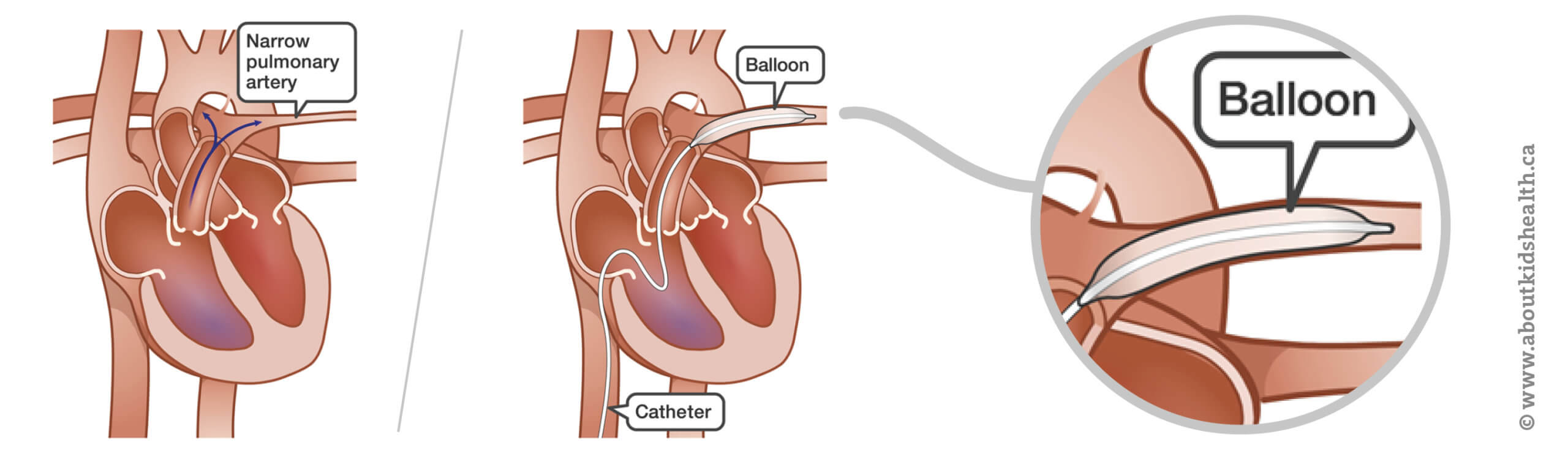
Balloon Pulmonary Angioplasty (BPA) is a fairly new procedure, that has been a treatment option for patients with Chronic Thromboembolic Pulmonary Hypertension (CTEPH) since 2018.
The pioneering treatment is an option for people with CTEPH who are unsuitable for pulmonary endarterectomy surgery.
The procedure involves a very fine wire being inserted into blood vessels in the lungs, guiding a tiny balloon into position. The balloon is inflated, to around the size of a pea, for a few seconds to push the blockage aside and restore blood flow to the lung tissue. The balloon is then deflated and removed. This can be repeated several times in different parts of the lung during a single treatment session.
BPA usually involves up to four treatment sessions, four to six weeks apart.
You will be given a light sedation and local anaesthetic, which help you relax and block the pain. You will feel very sleepy but will be able to hear and understand instructions.
BPA has shown to significantly improve breathlessness symptoms, lower lung blood vessel pressures and relieve heart failure. The effects appear to be long lasting although because it’s a fairly new treatment, further work is required to confirm these results in the longer term.
The Royal Papworth Hospital in Cambridge is the only hospital in the UK that carries out the BPA. It carried out its first in 2015 and was then commissioned to provide the service across the UK from 2018. Find out more about the service on their website.
Illustration kindly supplied by www.aboutkidshealth.ca