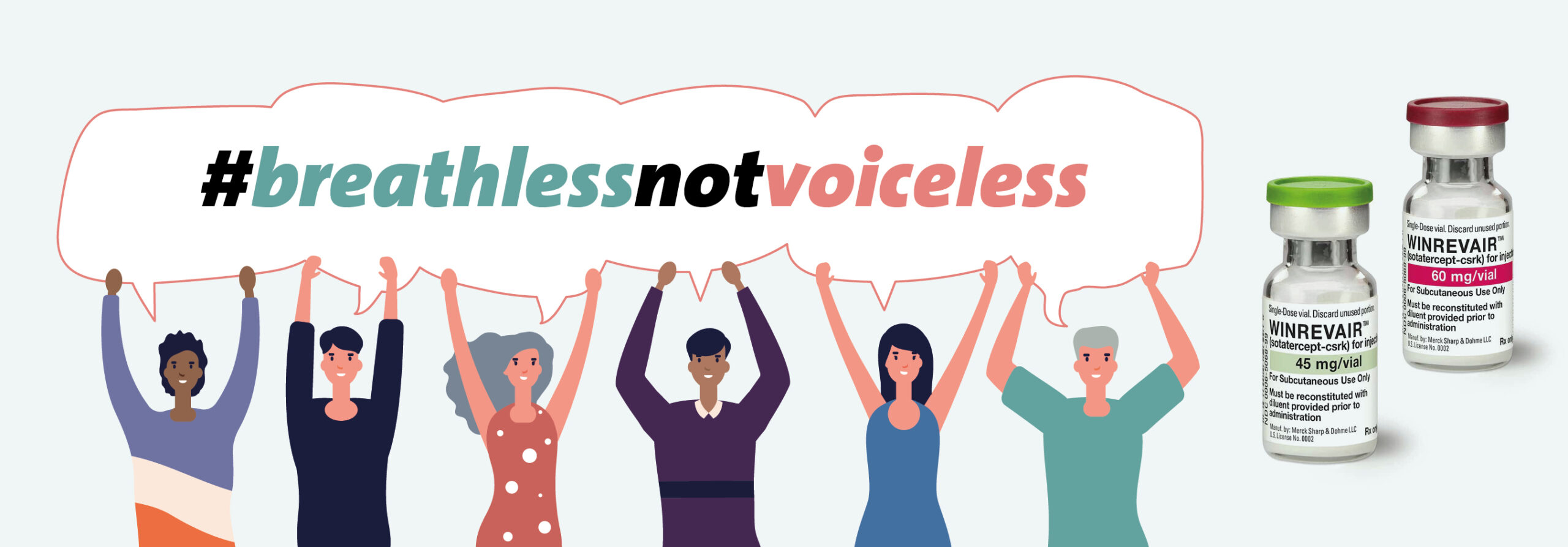
Information for people living with pulmonary hypertension, and those around them. Published 30th March 2026. All information correct at the time of publication.
“If you’re reading this, you are probably someone who knows what it means to live with pulmonary hypertension – either as a patient yourself, or as someone who loves and cares for one.
You will know that despite the brilliant care available in the UK, life with PH remains hard. Our recent research into the symptom burden of PH – which many of you took part in – showed that nine out of ten patients still live with severe breathlessness and fatigue, even on the best available treatments. You told us what that feels like in your own words, and your words are powerful.
There is a new treatment called sotatercept, which you have probably heard of. I want to be honest with you about what it is and what it isn’t. It is not a cure, and it does not work for everyone. It is not, as it were, a ‘golden egg’. But it works differently to anything that currently exists for PH – targeting the underlying biology of the disease in a way that nothing else does -and for many patients it has the potential to make a profound difference to daily life. In my view, and in the view of the clinical community, it is probably the most significant development in pulmonary hypertension treatment in more than fifteen years. UK patients deserve access to it.
Patients in some other countries can already access sotatercept, including in America. In England, the process with the National Institute of Clinical Excellence (NICE) that should deliver that access has stalled. Here at the PHA UK we are fighting to change that, and I want you to know that I am personally committed to this campaign.
I also want to update you on Scotland, where the process works differently. Here, new medicines are assessed by the Scottish Medicines Consortium (SMC), which is the Scottish equivalent of NICE. On 3rd March this year (2026), I travelled to Glasgow in person to present our patient evidence directly to the SMC committee. I am pleased to say that so far, the Scottish process has appeared considerably more receptive and engaged with our evidence than we have experienced elsewhere – and that is genuinely encouraging. The outcome of that meeting will be announced in mid-April (2026), and we will communicate it to you immediately.
There have currently been no submissions to the commissioning bodies in Wales and Northern Ireland. We asked the manufacturers of sotatercept about their plans for these nations, and they told us: “Access in Wales and NI are typically based on and follow the NICE decision, so we wouldn’t expect to see separate submissions for these regions.”
As people living with PH, your experience, your story, and your evidence are the most powerful tools we have. This document tells you what we know, what we’re doing, and how you can continue to be part of making something change.”
Iain Armstrong, Chairman, PHA UK
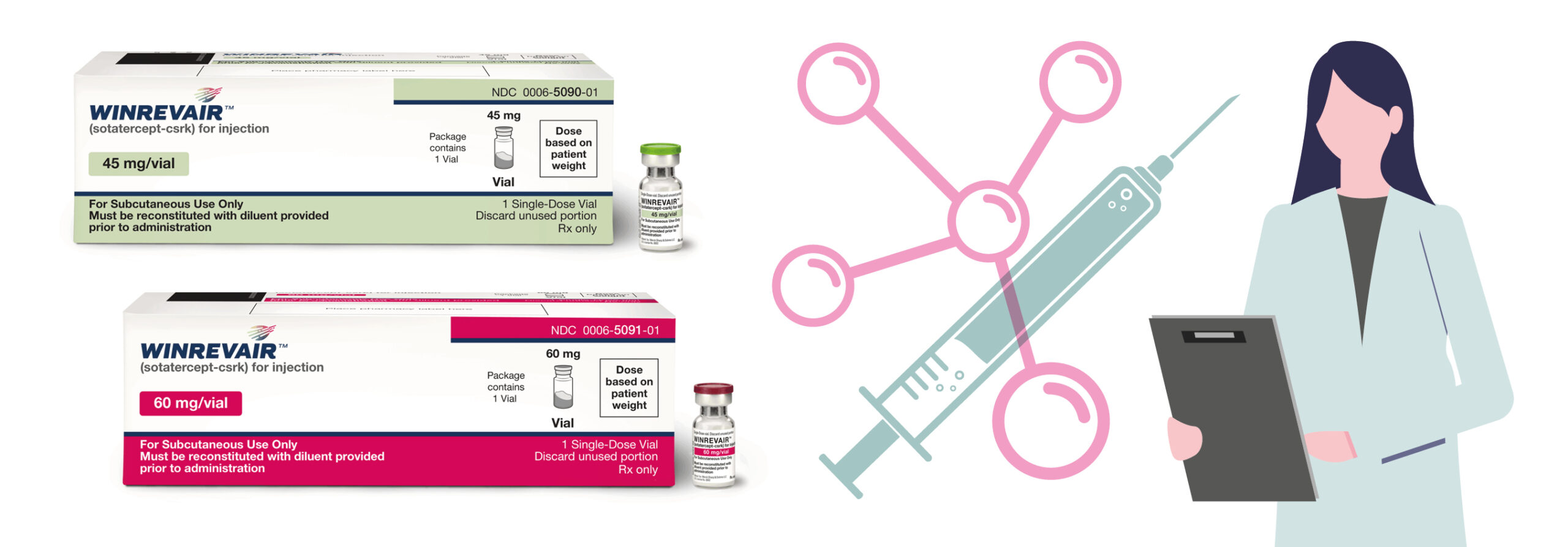
Sotatercept (brand name Winrevair) is a totally new type of drug for pulmonary arterial hypertension (PAH). There are already a number of existing drugs that are known as ‘vasodilators’ – which work by opening up some of the arteries that have narrowed or closed down. But these drugs are treating the symptoms of PH, rather than what’s causing the disease.
While these medicines are effective, they do not directly address the underlying changes in the lung blood vessel walls that drive PAH. This is why many patients still experience symptoms or their condition gets worse over time.
Sotatercept targets a signalling pathway involved in how blood vessels grow and repair themselves. In PAH, this system is out of balance, leading to thickening and narrowing of the lung blood vessels. Sotatercept helps to restore this balance, aiming to treat part of the underlying disease process rather than focusing only on lowering lung blood pressure.
It’s the first time a PAH drug is getting to the root cause of the problem, rather than treating the consequences of it.
Clinical trials have shown that sotatercept significantly improves how well patients can breathe, exercise, and function in daily life. Real-world experience from countries where it is already available confirms those findings. For people who are still struggling despite being on the best current treatments, sotatercept offers something genuinely new.
Sotatercept isn’t suitable for everyone. It is designed to be taken by some people alongside other medications, via an injection under the skin administered every three weeks. It needs to be stored in the fridge and handled according to specific instructions.
It is already approved and available in the USA and a number of other countries, but UK patients are still waiting. Sotatercept (Winrevair) is manufactured by MSD Pharmaceuticals.
Possible side effects
As with any treatment, there are possible side effects. The most commonly reported include:
More rarely, some people may experience more serious events such as internal bleeding. Regular monitoring and follow-up appointments are important to ensure medical teams can check that the treatment remains safe and catch any problems early.
Several clinical trials have studied sotatercept in people with PAH, including patients in the UK:
Together, these studies show significant benefits across a range of stages of PAH.
Overall, sotatercept represents a promising new approach in PAH care. Used alongside existing medications, it offers a way to target the underlying disease mechanisms that cause PAH and may improve outcomes for patients. Longer-term studies are ongoing to better understand its safety and benefits over time.

August 2025: First appraisal committee meeting held in England. Drug refused.
December 2025: Second appraisal committee held in England following resubmission of evidence. Commercial discussions (price negotiations) between the drug manufacturers and NICE begin.
January 2026: First appraisal committee meeting held in Scotland. Drug refused.
March 2026: Second appraisal committee held in Scotland following resubmission of evidence. Decision due mid-April.
There have currently been no submissions to the commissioning bodies in Wales and Northern Ireland. We understand that these nations typically follow the decision made by NICE in England.
Here at the PHA UK we have been involved in gaining access to every significant PH therapy currently available, and we are also key stakeholders in the fight for sotatercept.
Submitting evidence: We have presented evidence to both NICE and the SMC of the need for this drug, by submitting the findings of our research into what it’s like to live with pulmonary hypertension. So if you have ever completed one of our surveys over the last few years, your voice played a part in this.
A key seat around the table: During the first NICE appraisal meeting in August 2025, PHA UK Chairman Iain Armstrong was invited to act as a clinical expert, due to his experiences as a consultant nurse within the Sheffield Pulmonary Vascular Disease Unit. He then attended the second NICE appraisal meeting to represent the patient community and did the same at both SMC appraisal meetings.
Real people, real experiences: We invited two people living with pulmonary hypertension, PHA UK members Paula and Josh, to attend the first appraisal meeting in August. They shared their lived experiences of the disease to help the committee understand the challenges of PH – and why this drug is needed.
Fighting your corner: At first, NICE insisted that the news that commercial discussions were taking place with the drug manufacturers was kept confidential. But here at the PHA UK we successfully pushed for a reconsideration of the confidentiality to allow patients – those at the heart of the process – to be kept updated.
Sotatercept has been approved as safe and effective. The hold-up in England is about cost and commissioning. Before a new drug can be made available on the NHS, the National Institute for Health and Care Excellence (NICE) must assess its value for money, and NHS England must agree a price with the company that makes it.
That process is currently stuck and has been described as being at an ‘impasse’.
NICE has expressed uncertainty about the drug’s value. Negotiations between the manufacturer and NHS England have not produced an agreement. And English patients are waiting, some of them getting worse, while that process grinds on.

Here at the PHA UK believes the process has a fundamental problem. The people who know most about what this drug would actually mean in real lives – patients with PH – have not been genuinely heard within it. Their experience, their evidence, and their voices have been treated as an afterthought rather than as the most important information of all.
Our members have taken part in research, completed surveys, attended meetings, and shared their stories. That evidence exists. The problem is not that patients haven’t spoken. It is that the process has not been properly designed to hear them.
Your voice is not a footnote. It is the evidence that changes the outcome.
The process in Scotland is moving at a faster pace. There has been no news of a hold-up, and a decision on sotatercept is due there in mid-April 2026.
Sotatercept is likely to be one of the most expensive treatments ever commissioned for PH patients in the UK. We do not know the exact price, because that information is classified as commercially sensitive, which means the details of the negotiations between the manufacturer and the NHS are not made public. That includes to patient organisations like us.

We understand why cost matters. The NHS has finite resources. Every pound spent on one treatment is a pound that cannot be spent on something else. Decisions about expensive new therapies require careful thought, and PHA UK does not pretend otherwise. But value for money can only be properly judged with a true understanding of what is at stake for the patients who need the treatment.
That is precisely the problem. If the process that assesses sotatercept’s value does not genuinely centre the lived experience of the people who would benefit from it – their daily struggles, what this drug could change for them, what it would mean to be able to breathe more easily, to be less exhausted, to do more of the things that make life feel worth living – then the judgement of value is incomplete.
We also want to name something that many of our members feel deeply: There is a frustration in knowing that a drug exists, that it works, and that the barrier to accessing it is a commercial negotiation happening behind closed doors and hidden behind the phrase ‘commercially sensitive.’ The people most affected by the outcome of that negotiation have no seat at that table and no visibility of what is being decided on their behalf.
The PHA UK is not saying that cost should be ignored. We are saying that the evidence of what this drug is worth to patients – evidence that we have spent years building, and that our members have contributed to – must be taken seriously in that calculation. That is not an unreasonable ask. It is the minimum that patients deserve.
Here at the PHA UK we have made what’s known as a ‘formal representation’ to NICE. You can see this here. We have told them clearly and on the record that:
We are also working with the coalition of specialist clinicians who care for PH patients and who share our view. And we are engaged across the full landscape of this campaign – with the drug manufacturer, with NICE, and with the wider rare disease community.
We are not going away. We have done this before and we will keep doing it until UK PH patients can access the treatments they deserve.
We will make the same noise in Scotland if the decision in mid-April brings bad news. Every UK nation matters.
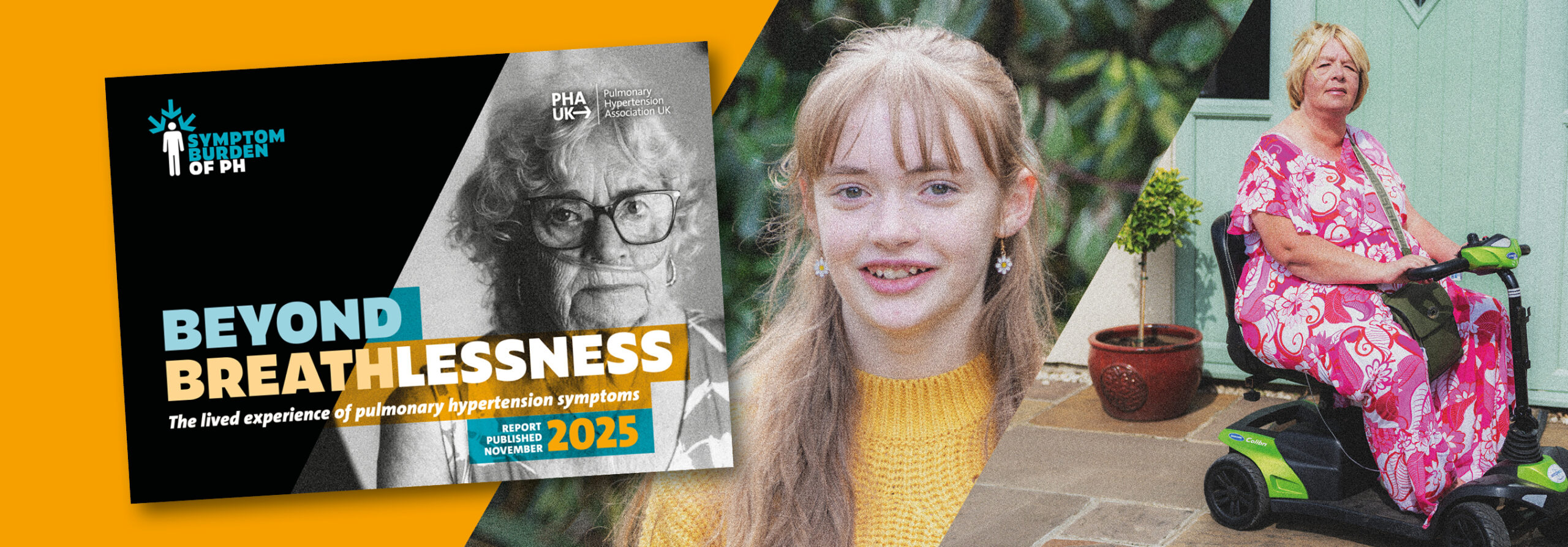
Many of you have already contributed to the efforts to access to sotatercept without knowing it. If you took part in our 2025 symptom burden survey, your answers are in our formal submissions to NICE and the SMC. If you shared your story with us, your voice is in the evidence. You helped build the argument that we are now using.
Please continue to add your voices to our work and be ready to respond as this campaign continues. We are louder, and we are stronger, together.
True patient empowerment is not when a patient is given a voice. It is when a patient knows that their voice matters.