Posted on November 25th 2026

The long-awaited review of Personal Independence Payment (PIP) has set out recommendations for a major overhaul of the support that 85% of people with PH who claim benefits receive.
The Timms Review recommendations, published on 24th November, include a fast-track route to payments for people with the most severe conditions, and reform of the “dehumanising” assessment process.
The review’s vision for a reformed PIP system includes the following recommendations:
The review’s recommendations for immediate improvements to the existing PIP system:
The Timms report recommends that PIP assessments are changed to reflect the real costs people face, linking payments to day-to-day needs.
Importantly, the Government says it has committed to reforming the “dehumanising” PIP assessment to protect people with severe or life-limiting conditions.
Over 90% of responses to the review’s call for evidence relating to the process described it negatively, including as stressful, dehumanising or psychologically damaging.
A recent PHA UK survey found that 85% of people with PH who claim benefits receive PIP. Respondents described navigating the benefits system as ‘humiliating’, ‘intrusive’, ‘horrific’ and ‘degrading’, with 57% finding the process of applying for benefits difficult or extremely difficult.
Although the government has accepted two key recommendations – introducing a fast-track route for people with severe, well-evidenced conditions, and reducing unnecessary reviews for people with lifelong or progressive conditions – these changes are not yet operational. It will take time for any changes to be implemented.
The Timms Review follows the Milburn Review, published a week earlier, which examined the rising number of young people not in education, employment or training (NEET). It proposes replacing the existing benefits arrangements for under-25s, including access to PIP and the health element of Universal Credit, with a new system centred on a Youth Allowance. It also proposes alternative forms of disability-related support. Here at the PHA UK we will be watching closely what the Youth Allowance proposals would mean for young people with PH.
The Government will now consider the wider recommendations from both reviews and communicate a response in the coming weeks, ahead of a White Paper in the new year. White Papers set out the Government’s policy proposals and intentions for future legislation. They may be followed by consultation and, where legislation is required, the introduction of a Bill to Parliament.
Nothing changes yet – if you receive PIP, your award continues as normal and you don’t need to do anything. Any changes will take time, and we will keep you updated.
Dr Iain Armstrong, PHA UK Chair, said:
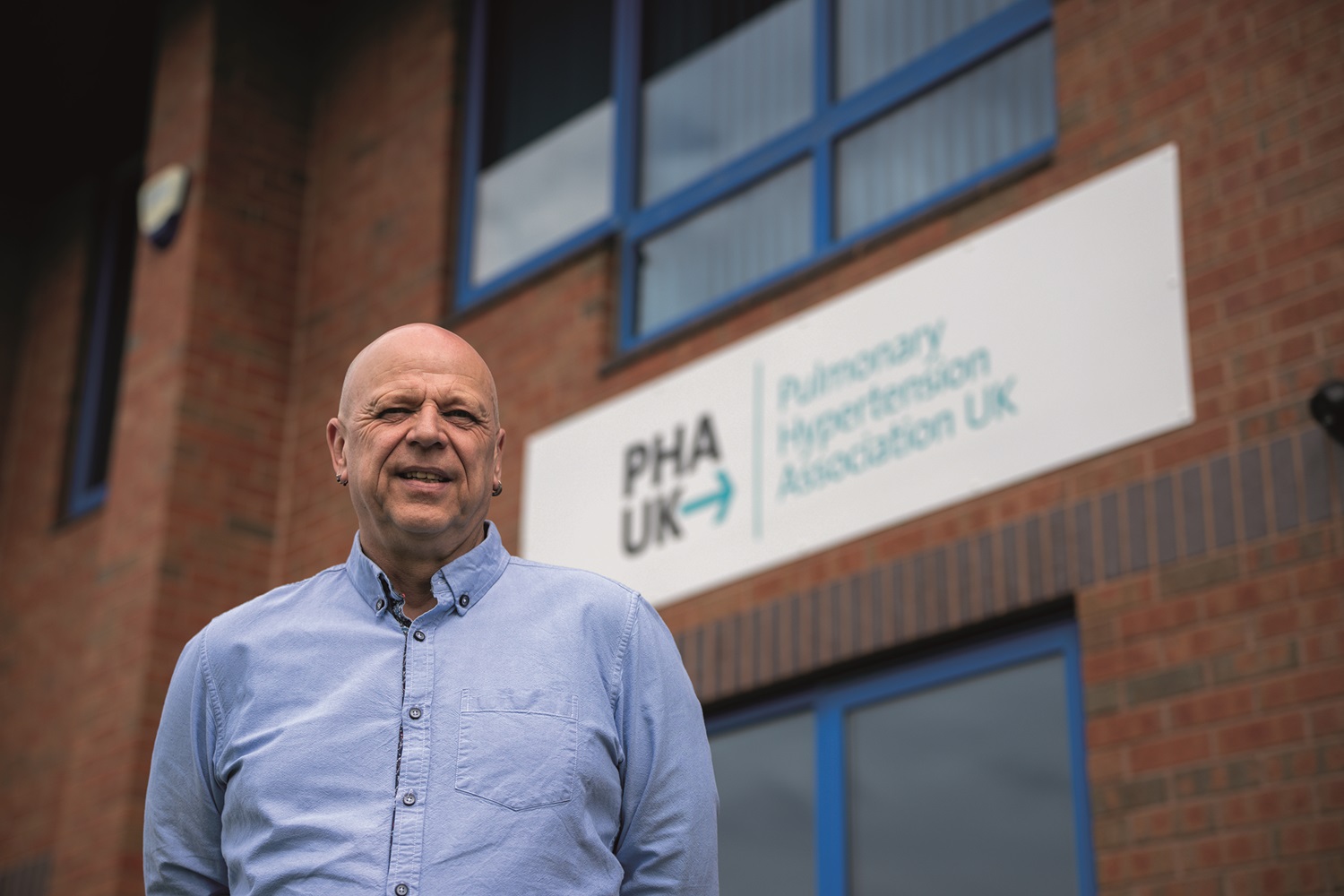
“Change is long overdue, with PHA UK research repeatedly exposing how difficult and distressing people with pulmonary hypertension find the PIP process. A system designed to support disabled people should never leave them feeling they have to fight to be believed.
We therefore welcome the recommendations to overhaul the assessment process, but the real test will be whether they deliver meaningful change for people living with complex, life-limiting conditions.“
“We need clarity on whether people with PH will qualify for fast-track PIP payments, and whether they could still face unnecessary reassessments. At present, there are unanswered questions.
“Linking payments to people’s real-life needs has the potential to make a significant difference, but only if assessments properly recognise the reality of living with PH: the fluctuating symptoms, debilitating fatigue and breathlessness, and the relentless impact of the condition on everyday life.
“Finally, there has been considerable emphasis from Government on getting people back into work. But we must not lose sight of those for whom working will never be possible. They matter just as much, and they deserve support to live with dignity and security. PIP is not a handout or a burden on society; it is an essential investment in disabled people’s independence and wellbeing. At the PHA UK we will continue to challenge any narrative that suggests otherwise.”
PIP was introduced 13 years ago, and the Timms Review was the first full review of the benefit. The review was co-produced by a steering group bringing together lived experience of disability and long-term health conditions alongside wider expertise. Its recommendations were informed by 38,713 responses from disabled people, carers, organisations and professionals.
The full Timms Review report can be read here.
The review focuses on PIP, which is administered by the Department for Work and Pensions in England and Wales. Northern Ireland has its own PIP administration, while Scotland has replaced PIP with Adult Disability Payment. The implications of the recommendations for the devolved administrations will need to be considered.